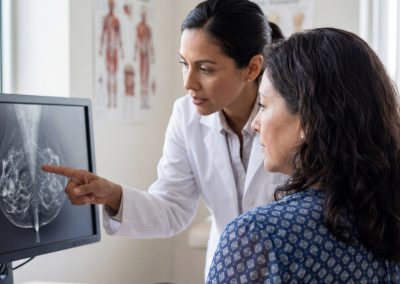
With the right support and education, menopause can be the beginning of a new stage of life.
At some point in every woman’s life, there will be a time when menstruation will end. Over time, ovaries age. This maturity stops the production of eggs and the hormones—estrogen and progesterone—necessary for a menstrual cycle. This is known as menopause, the natural end to a woman’s period, marked by not bleeding at all without the help of medication for twelve consecutive months.
“It’s important to remember that menopause is a normal stage of life,” says Kat Purcell, an Obstetrics/Gynecology Nurse Practitioner at Arnot Health, a member of Centralus Health.
Menopause typically begins between the ages of 40 and 55. Once perimenopause begins—the time when hormonal fluctuations begin and periods become irregular—health experts say it can take several years, with an average of four years, for the body to transition to a postmenopausal stage.
Perimenopause is the transition between normal cycles and menopause. It is characterized by a shift in hormone levels, particularly estrogen and progesterone, leading to changes such as hot flashes, night sweats, mood changes, changes in sleep patterns, changes in libido, worsening mental health conditions, musculoskeletal pain, urinary symptoms, vaginal symptoms, and many other symptoms.
Decreased hormonal function leads to natural hormonal changes. Estrogen and progesterone, hormones primarily produced in the ovaries, control the menstrual cycle and ovulation, prepare the body for pregnancy and support fetal development. Theymaintain female reproductive organs, regulate hormone levels and influence mood, sleep, and bone health. The natural hormonal decline during menopause leads to physical changes, sometimes increasing the risk for certain health conditions. These risks can be managed with lifestyle adjustments such as regular exercise, quality sleep and proper medical support.
“Every person’s experience is unique to them,” says Marie Harkins, Gynecology Nurse Practitioner at Cayuga Health, a Member of Centralus Health. “With the right support and education, this can be the beginning of a new stage of life.”

Marie Harkins NP, Gynecology Nurse Practitioner at Cayuga Health, a Member of Centralus Health.
Talk to your provider if you have any concerns about risks or symptoms. The Womens Health teams at Centralus Health offer extensive menopause management to help women embrace any changes. “Our program helps you understand your body, manage symptoms, and protect your long-term health,” says Marie.
If lifestyle changes are not enough, your doctor may recommend some kind of medical intervention. Experts recommend talking to your doctor about menopause medication as soon as your symptoms start affecting your daily life—ideally starting in your mid-40s during perimenopaus— to discuss personalized treatment options. Be prepared to discuss what you are experiencing, health risks, and personal and family history. Factors like age and certain health conditions influence your treatment options.
Kat says there are many options to help with symptoms, including bioidentical hormone replacement therapy (HRT). Hormone replacement therapy for menopause is a treatment that involves administering hormones, typically estrogen and/or progesterone, to alleviate menopausal symptoms. This treatment mimics the body’s natural production of these hormones, restoring balance.
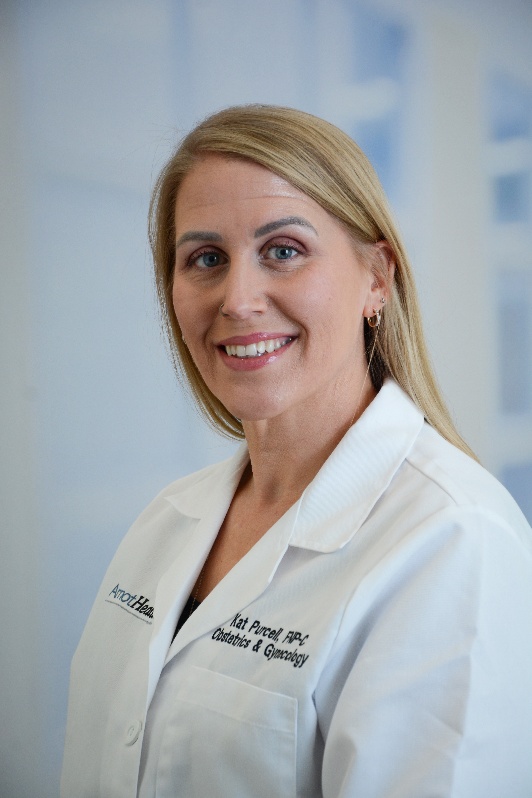
Kat Purcell, an Obstetrics and Gynecology Nurse Practitioner at Arnot Health, a member of Centralus Health.
Hormone therapy can help with bone loss, sleep, genitourinary syndrome of menopause, vasomotor symptoms of menopause, macular degeneration, sexual function, skin health, joint pain, fatty liver, insulin resistance, risk of diabetes mellitus type 2, glycemic control, Alzheimer’s/dementia, depression, anxiety, cardiovascular disease, risk for colorectal cancers, and many other symptoms
For women who cannot or do not want to use hormones, other medications and therapies, such as dietary changes, acupuncture and relaxation techniques, can help with symptoms of menopause. With the help of your provider, you can create an individualized care plan that works for you.
Arnot Health, a member of Centralus Health, offers OB/GYN services at the Health Center for Women, 600 Fitch Street, Suite 102, Elmira; the Medical Office Building, 100 John Roemmelt Drive, Horseheads; Ira Davenport Memorial Hospital, 7571 State Route 54, Bath; and Arnot Health’s Corning Office, 123 Conhocton Street, Corning. To make an appointment, call (607) 734 – 6544.
Cayuga Health, a member of Centralus Health, offers OB/GYN services at various locations including Cayuga Women’s Health, 401 Cayuga Park Lane, Suite 501, Ithaca, (607) 339 – 0625; OB/GYN and Midwifery Associates of Ithaca, 20 Arrowwood Drive, Ithaca, (607) 266 – 7800; Cayuga Women’s Health at Schuyler, 220 Steuben Street, Montour Falls, (607) 535 – 7121; and Cayuga Women’s Health Tompkins Street, 260 Tompkins Street, Cortland, (607) 758 – 9977.