

The more medicine you take, the harder it can be to remember all the important details about them. A medication list is a helpful tool to keep all the details about medicines you take in one place.
Medication List FAQ
Why is a medicine list important to keep?
Providers recommend medicine because it helps you. Medicines can hurt you if you mix the wrong medicines together or if you do not get the right amount. Having a list you can show providers is a good way to communicate when and how you take your medicines. Having a list helps ensure you receive the best and safest care when in an emergency and when you go to the doctor’s office, hospital, or pharmacy.
What information should I put on my list?
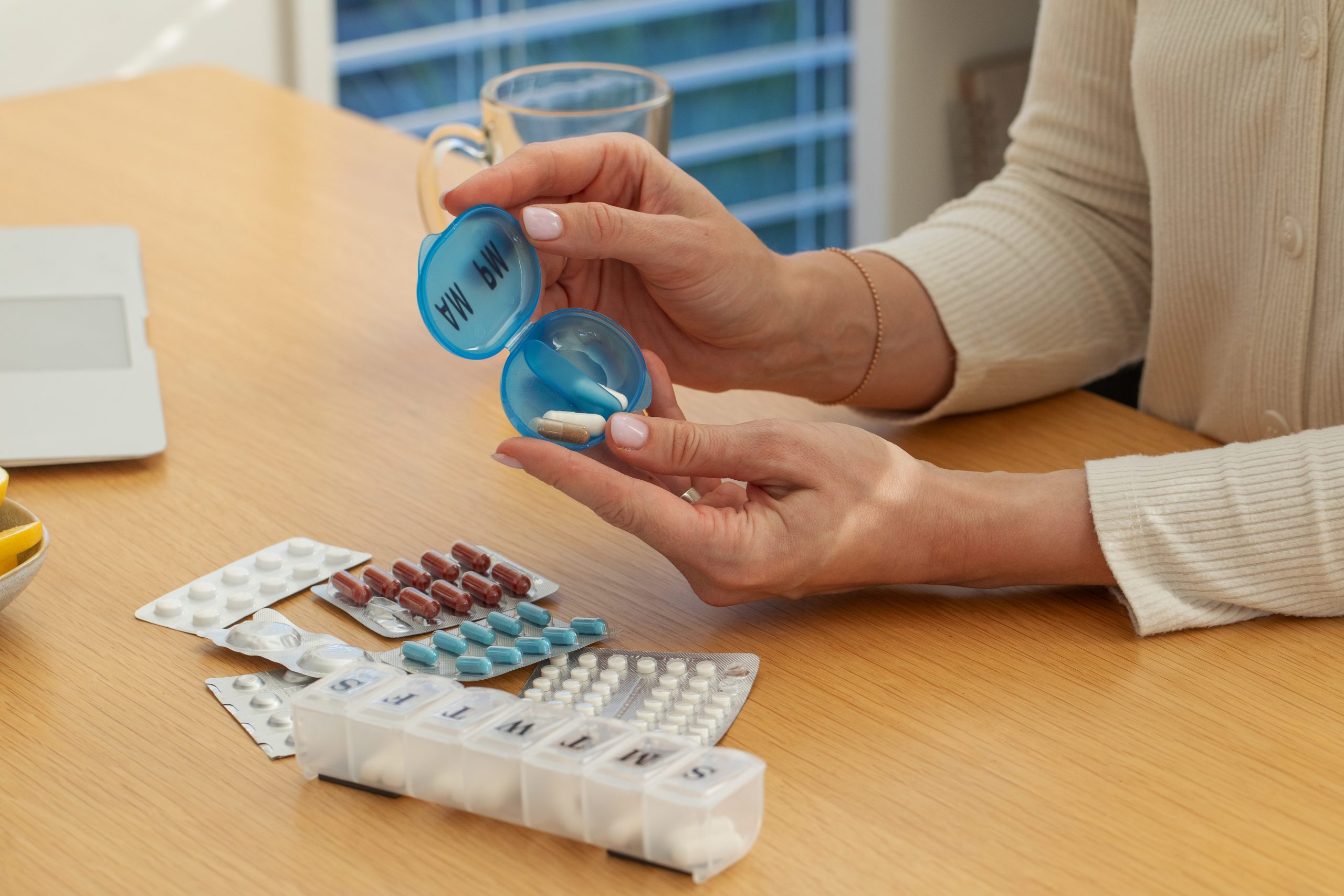
The list you make needs to include information about of all the medicine you take and any allergies that you have to medicine. Put all the medicine you take on your list including prescriptions you take, medication patches, inhalers, creams, implanted medication devices like IUDs or pacemakers, as well as any medicine you buy over the counter including:
- Pain medicine
- Allergy medicine
- Vitamins and minerals
- Herbal supplements
Who should I share my list with?
It’s a good practice to share your medication list with all your healthcare providers, especially if changes have been made since the last time you saw them. Your providers may not automatically share health records with each other and may be unaware of these changes. It is also beneficial to share with your emergency contact, or any one who else who has the potential to be involved with your care.
How often should I update my list?
Remember to update your medication list every time you start, stop, or change a medicine.
What if I don’t know the full name for my medicine?
You can look up pills by their appearance. Go to drugs.com/pill_identification, webmd.com/pill-identification, or reference.medscape.com/pill-identifier.

Managing Expired or Discontinued Medications
If your physician tells you to discontinue a medicine, dispose of it immediately. Also dispose of medications that are expired. Do not keep them for future needs. You could have side effects or a medicine interaction if you accidentally take that medication.
Some medicines are harmful and could be fatal if accidentally taken by children or anyone else. It is important to always dispose of medications properly. Inquire at your pharmacy about medicine take back programs in your area. If one is not available, follow disposal instructions on the medicine label or the patient information that accompanies the medicine.
If no instructions are given, crush and mix medicines with coffee grounds, cat litter or food scraps, then seal them in a bag or a container (such as a jar or a margarine tub) and discard them in the regular trash.