Source: Adobe Stock
Symptoms may vary, but generally include pain in muscle areas that can feel like stiffness, burning, restriction in range of motion, and sore achy muscles.
How trigger point therapies help relieve chronic musculoskeletal pain
Do you experience aching, throbbing or tight muscle pain that doesn’t seem to be relieved by at-home remedies? Myofascial release, a therapeutic pain relief therapy, might help alleviate those stubborn aches and pains. “Myo” refers to the muscle, while “fascial” refers to the structures that surround the muscles, including organs, nerves and arteries. The exact cause of myofascial pain remains unknown but generally is linked to overuse injuries experienced by athletes, chronic conditions like fibromyalgia, traumatic incidents like car accidents, severe tissue damage caused by burns, tension related to emotional stress, and more.
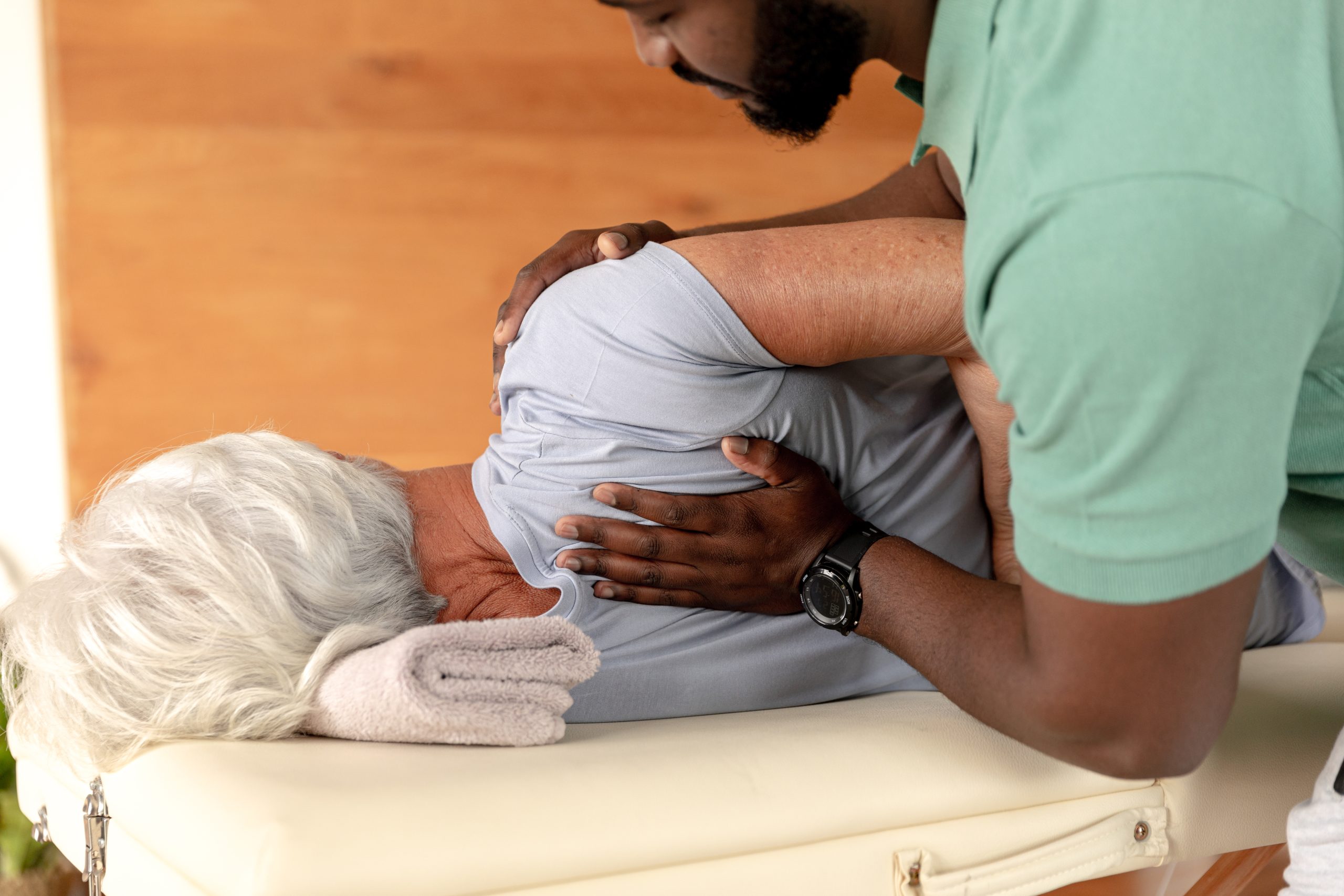
“Symptoms of myofascial pain may vary but generally include pain in muscle areas that can feel like stiffness, burning, restriction in range of motion, and sore achy muscles that often feel like they are bruised when touched,” says Dr. Andrew J. Morpurgo, Medical Director for the Ithaca Center for Pain Management. The therapy uses pinpointed gentle pressure on the fascia, the connective tissues surrounding the muscle, in order to trigger a release. Unlike other therapies that rely on aggressive manipulation, this technique uses subtle, slow pressure on trigger points to help the fascia stretch and release.
“We apply direct pressure into the areas we feel restricted, and we hold it for three to five minutes,” says Brigid Kernan-Terry, an occupational therapist at Arnot Health, a member of Centralus Health. This approach follows the body’s natural rhythm, focusing on listening to the body and working with it, rather than forcing it.
“We wait for the body to release a neurotransmitter that enables the body to relax and realign the collagen fibers of the fascia and allow the water-like substance that flows through it to flow and bring circulation to the structures underneath,” Brigid says.
About 80-85% of people will develop myofascial pain in one area of their body or another at some point in their lives.
No matter what the cause, when your muscles are injured, that fascia tightens, gets restricted and causes pressure on the structures it surrounds. The thin casing around your muscles can do more damage than you might expect.
This uncomfortable and often painful tightness can happen to any person at any time. It’s not uncommon to experience some discomfort or soreness after myofascial therapy. Many patients describe feeling like they’ve had a strenuous workout. This is usually a temporary sensation, and the discomfort typically subsides within a couple of days as your body adjusts and flushes out toxins released during the therapy. Sometimes people feel more discomfort initially, frequently until the next morning, and then feel relief the following morning.
Medications are sometimes needed for myofascial pain. If necessary, your provider may prescribe muscle relaxants, NSAIDs, and sometimes very specific antidepressants such as tricyclic antidepressants or SNRIs.
Brigid will send patients home with a list of exercises to help with the pain. She says the self-treatments are easy and manageable, especially for people with busy lifestyles. Aqua therapy at Island Health and Fitness, a partner of Cayuga Health, can also be a very effective treatment. Everyone, from infants to the elderly, is eligible for myofascial release therapy.
Source: Cayuga Health
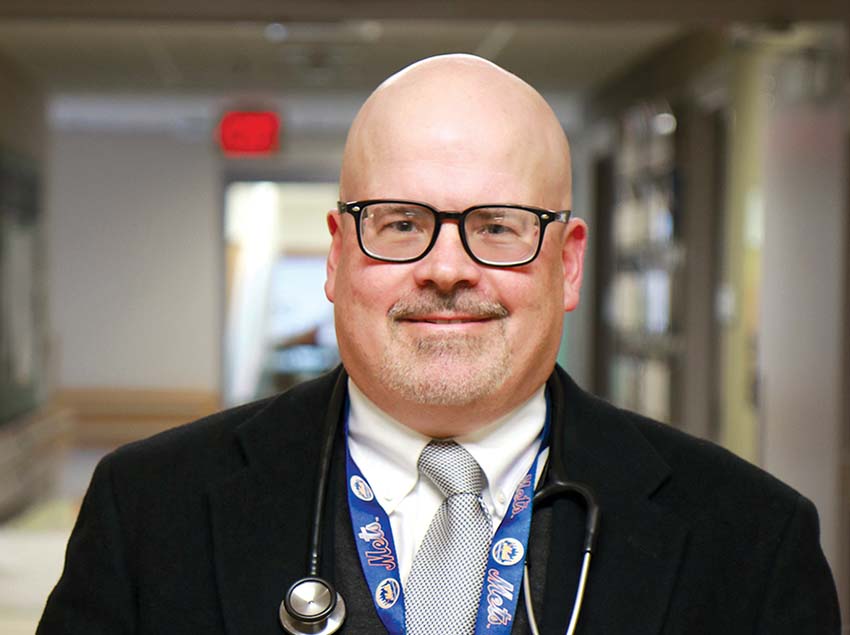
Andrew Morpurgo, MD has been the director of the Ithaca Center for Pain Management since 2005 and is also director of the Medical Rehabilitation Unit at Cayuga Medical Center.
Andrew Morpurgo, MD has been the director of the Ithaca Center for Pain Management since 2005 and is also director of the Medical Rehabilitation Unit at Cayuga Medical Center. He received his medical degree from SUNY Downstate Medical Center College of Medicine and is certified by the American Board of Physical Medicine and Rehabilitation. Call (607) 277 – 4287 for more information.
Brigid Kernan-Terry is an Occupational Therapist at Arnot Health’s Outpatient Physical Therapy and Rehab located at St. Joseph’s Hospital, 555 St. Joseph’s Boulevard, Elmira. She specializes in geriatrics and stroke care. Call (607) 737 – 7804 for more information.