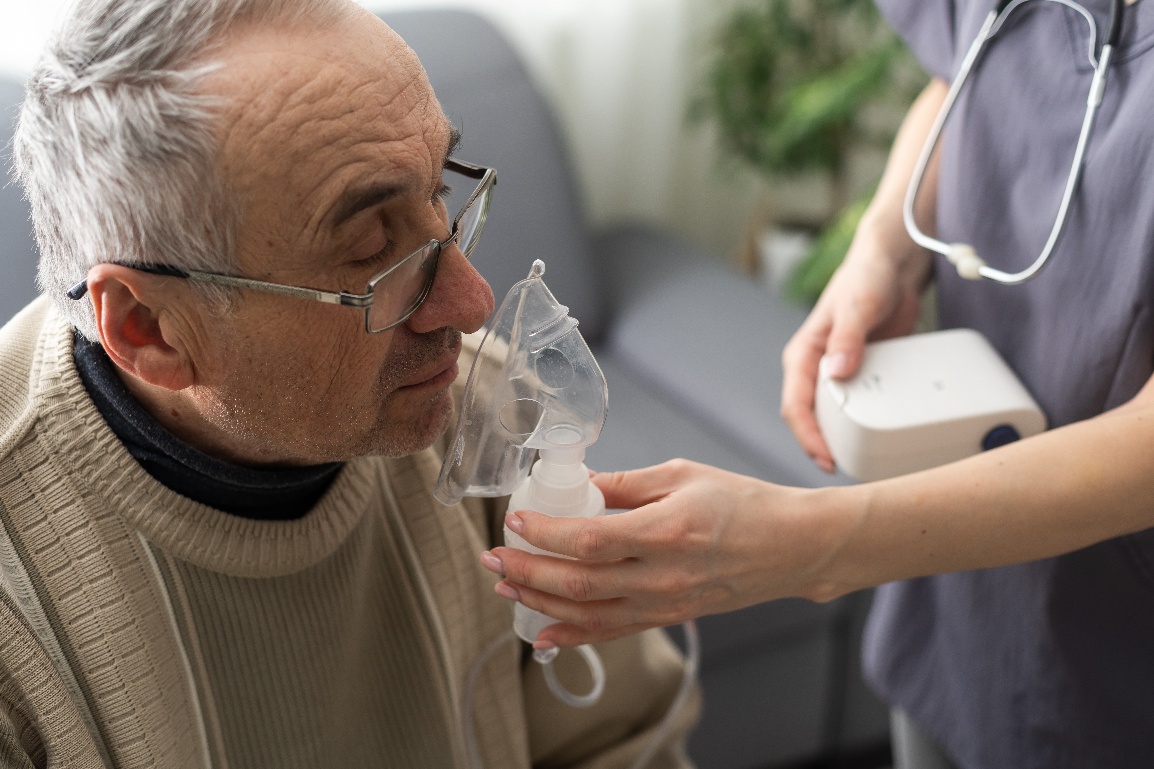
Tailored treatments such as medication, oxygen therapy, surgical intervention and lifestyle changes help those with COPD. (photo credit: Adobe Stock)
Chronic obstructive pulmonary disease, or COPD, is among the most common lung diseases in the world. COPD is a blanket term for several progressive lung diseases such as emphysema, chronic bronchitis, refractory (non-reversible) asthma, and some forms of bronchiectasis.
COPD causes permanent damage to the airways and lungs. As a result, airflow obstruction and symptoms typically worsen over time. Many who have the disease do not realize it, and therefore do not seek treatment when the disease is at its earliest and most treatable stages.
“Most patients are asymptomatic in the early stages of COPD, but function declines with age and accelerates as it progresses. Prognosis can be improved if diagnosed early and prior to peak decline in lung function,” says Lavanya Kodali, MD, pulmonologist at Cayuga Health, a member of Centralus Health.
Noticeable symptoms include persistent cough, wheezing, tightness in the chest, and shortness of breath. Doctors recommend lifestyle changes, particularly quitting smoking if you’re a smoker.
“I try to remind everybody that we all make different health decisions, some are good and some are bad. I don’t think it’s anything to be ashamed of if you’re smoking, but once we recognize that you have this history, we can actually do something to help. Let’s focus on what we can do for you,” says Aleksandr Kalininskiy, MD, pulmonologist at Arnot Health, a member of Centralus Health.
Other contributing factors for developing COPD include long-term exposure to fumes, chemicals, and dust found in work and home environments. Jobs with higher risks of these exposures include mining, manufacturing, agriculture, housekeeping, and vehicle repair. Long-term, repeated exposure to these agents can cause lung inflammation and tissue damage, eventually leading to COPD.
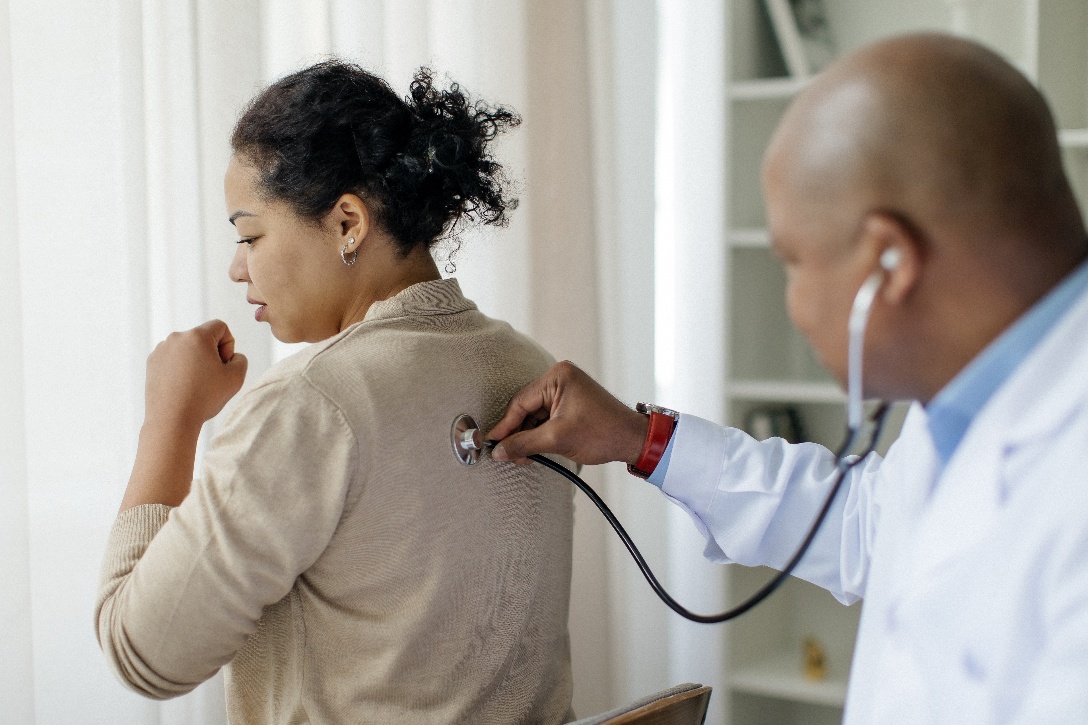
Contributing factors for developing COPD include smoking, long-term exposure to fumes, chemicals, and dust found in certain environments. (Photo credit: Adobe Stock)
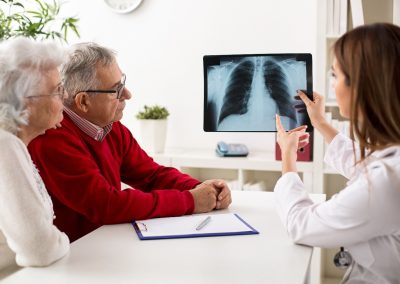
A test must be done to see if someone has COPD. The most common test, spirometry, measures lung function by assessing how much air you can inhale and exhale and how quickly. If breathing patterns point towards the condition, treatment starts. Tailored treatments such as medication, oxygen therapy, surgical intervention and lifestyle changes help. With the pulmonologists, respiratory therapists help monitor patient progress.
“There’s one simple test we do at the beginning and at the end of pulmonary rehab; it’s called a six-minute walk. They walk as far as they can for six minutes. They may take a rest if they want. They may only walk a few feet, sit down and never walk for the rest of the time until six minutes is up,” says Todd Thomas, respiratory therapist at Arnot Health, a member of Centralus Health.
Respiratory therapists aim for patient improvement, but Todd says pulmonary rehabilitation goes far beyond the physical challenges of COPD. The team of professionals at Cayuga Health and Arnot Health, members of Centralus Health, both offer supportive pulmonary rehabilitation programs to help restore confidence and improve daily function and quality of life.
Arnot Health’s Pulmonary Associates are located at 600 Roe Avenue, Elmira. To find out if you are eligible for a lung cancer screening or to make an appointment, call (607) 271 – 3780 or click here.
Cayuga Health’s Pulmonary and Sleep Services are located at 201 Dates Drive, Suite 301 in Ithaca and 260 Tompkins Street in Cortland. To request an appointment, call (607) 882 – 2277 or click here.