A cancer diagnosis is overwhelming for anyone. Once someone gets the news that they have cancer, they need to schedule all the necessary appointments, figure out transportation, keep track of medications, and get an understanding of their illness. All of this can seem like an insurmountable and unbearable task.
“I think, a lot of time, when someone is diagnosed with cancer, they think treatment is going to start right away. Unfortunately, there are other workups that need to be done, scans and bloodwork. That’s definitely something that can confuse patients,” says Courtney Irwin, breast cancer navigator at Arnot Health, a member of Centralus Health.
To create a treatment plan, the care team needs to confirm a patient’s diagnosis and determine the stage of the cancer. This process can take time, pushing the first appointment for treatment back a few days or weeks. The period between diagnosis and the start of treatment is often filled with fear about what the future holds. Patients may worry about whether the cancer will get worse, what the treatment side effects will be, or if the treatment will be successful.
“The beginning is just an overwhelming amount of information. There’s a lot of emotions. You can cry. You can be angry. It’s OK to feel all of that. It’s all normal,” says Courtney.
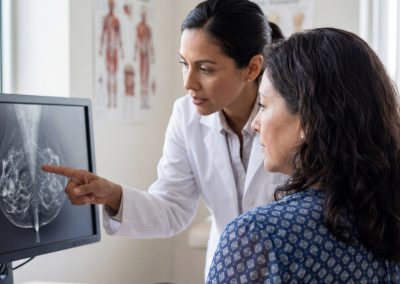
If you’re diagnosed with breast cancer at Arnot Health or Cayuga Health, members of Centralus Health, you don’t have to work through your treatment alone. Breast cancer navigators, often medical professionals with nursing backgrounds, can help patients work through the treatment process from their first appointment to remission. Navigators translate complex medical information, helping you understand your diagnosis, treatment options and next steps.
Our breast cancer navigators:
- Act as interpreters and educators about cancer for you and your family
- Help patients and families navigate the medical system, from the time of diagnosis through the continuum of your care
- Serve as a liaison between you, your doctors, and the medical center departments involved in your care
- Help patients and families connect with community resources
“There’s a lot of teams that come together when a patient is diagnosed with cancer. You have surgery, oncology, radiation, radiology, pathology. I’m here to help work through that and clear up any confusion,” Courtney says.
Breast cancer navigators dedicate their time to patients and their families. They act as a consistent presence through what can be an overwhelming cancer care experience. Patients can contact their navigators at any time with any questions.
Cancer treatments, like chemotherapy, can bring many physical and mental challenges. People may struggle with anxiety or depression, have trouble adjusting to changes in their appearance, and struggle to navigate their personal lives after diagnosis. The care offered by breast cancer navigators goes far beyond clinical needs, serving as a source of emotional care and connecting patients to necessary support services. As the primary point of contact, they can help coordinate appointments and treatments, provide clear explanations of medical information, and connect patients with essential resources.
“We’re here to break down barriers and get patients in touch with whoever or whatever they need.”
Family provides practical help with daily tasks, offers a crucial lifeline of companionship to reduce isolation, and helps patients maintain a sense of normalcy and dignity during a life-altering diagnosis. Many family members often feel as helpless, if not more helpless, than the patient. This helplessness stems from the lack of control over the illness, the fundamental challenges of facing a life-threatening illness, managing the practicalities of care, and coping with profound emotional and physical losses.

The breast cancer navigators at Arnot Health and Cayuga Health offer comprehensive support and care in partnership with multidisciplinary team members.
Arnot Health offers comprehensive cancer care at the Falck Cancer Center, 600 Roe Avenue, Elmira.
Cayuga Cancer Center’s Cayuga Park Campus is located at 401 Cayuga Park Lane, Suite 300, Ithaca; Cortland Campus, 1081 Commons Avenue; and Schuyler Hospital, 220 Steuben Street, Montour Falls.